
See more Toronto Sun on Google — save as a Preferred Source
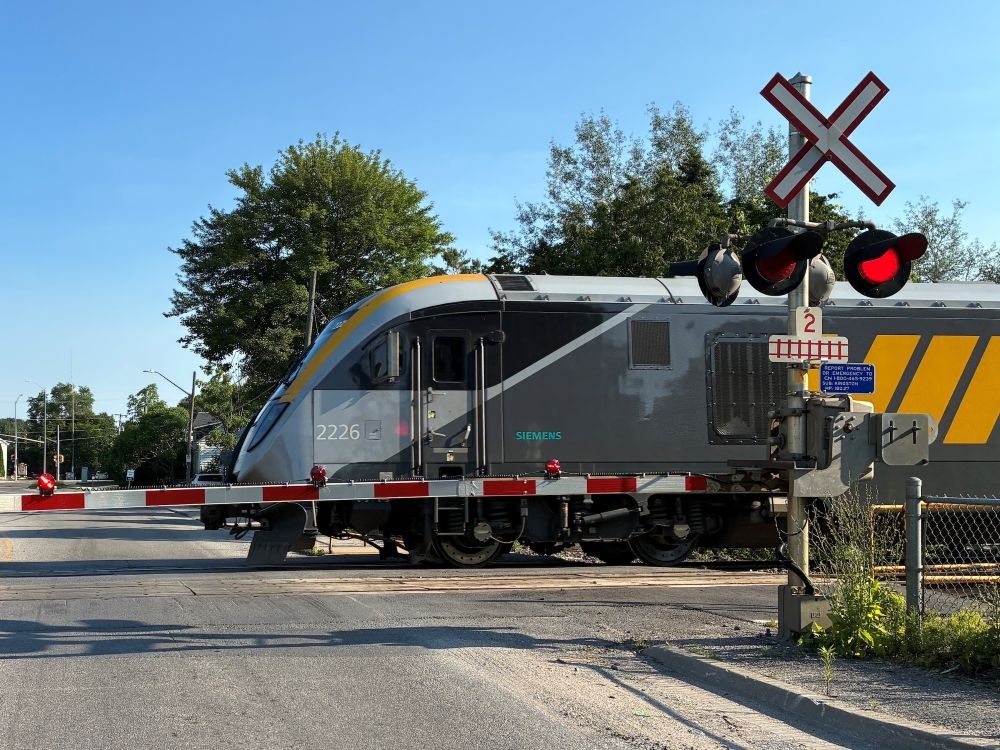
OTTAWA — Passengers riding the rails on Canada’s national railway may soon be able to ride on cars built before Canada saw colour television broadcasts.
Speaking Thursday from the Alstom plant in Thunder Bay, Prime Minister Mark Carney announced a $4.7 billion investment in VIA Rail, replacing the railway’s ancient rolling stock with 313 new passenger cars destined for its regional, remote and long-haul routes outside of the Windsor/Toronto/Ottawa/Quebec City corridor.
“For the first time in four decades, those cars will be produced and assembled and maintained in our country,” he said.
“Cars that used to be built in the United States will be built right here in Thunder Bay at Alstom Canada, by the best workers in the world.”
Indeed, many of the cars used in long-haul VIA trains are over 70 years old — including the Toronto-to-Vancouver Canadian, which use stainless steel HEP1 cars formerly operated by Canadian Pacific’s long-defunct passenger service, as well as VIA’s fleet of sleeper, dining and domed observation cars which all date back to the early 1950s.
That means many of VIA’s most-used rolling stock entered service around the same time as Queen Elizabeth II’s coronation, and before Ray Kroc opened his first franchised McDonald’s restaurant.
“They were built when the NHL had six teams, goalies wouldn’t wear masks, and the Leafs would win the Cup — that was a long time ago,” Carney said, to laughs from those assembled.
“Those old cars have served our country well, but they are long overdue for retirement.”
- How China is paying big bucks to target Ottawa power brokers
- Tens of thousands still in the dark as storm cleanup continues
New cars expected next decade
The construction of the new fleet, Carney said, will support 700 jobs in Ontario and Quebec.
“In line with our Buy Canadian policy, Alstom will leverage and expand its extensive network of more than 900 Canadian suppliers to deliver this new fleet, maximizing the use of Canadian steel in structural assemblies, supports, and fabricated metal elements.”
The new cars, however, won’t be on the rails anytime soon.
The first new car is expected to be complete by 2031, with the full rollout expected four years later.
In July, Canada announced a $1.9 billion deal with Swiss firm Stadler to provide 45 new locomotives for VIA, as well as $357 million to build a new Montreal maintenance and assembly facility.
bpassifiume@postmedia.com
X: @bryanpassifiume