
Every year brings new evidence of how the Liberal government’s strategy to reduce Canada’s industrial greenhouse gas emissions has been an expensive failure for taxpayers.
The latest data from the federally-funded Canadian Climate Institute predicts Canada’s energy-related emissions last year went up by six million tonnes to 691 million tonnes, compared to 685 million tonnes in 2024.
The increase of just under 1% means Canada’s emissions have fallen by a mere 9.5% compared to 2005 levels, a fraction of the original and now-abandoned target under prime minister Justin Trudeau’s government of reducing emissions to at least 40% below 2005 levels by 2030 and at least 45% by 2035.
Canada will not meet targets
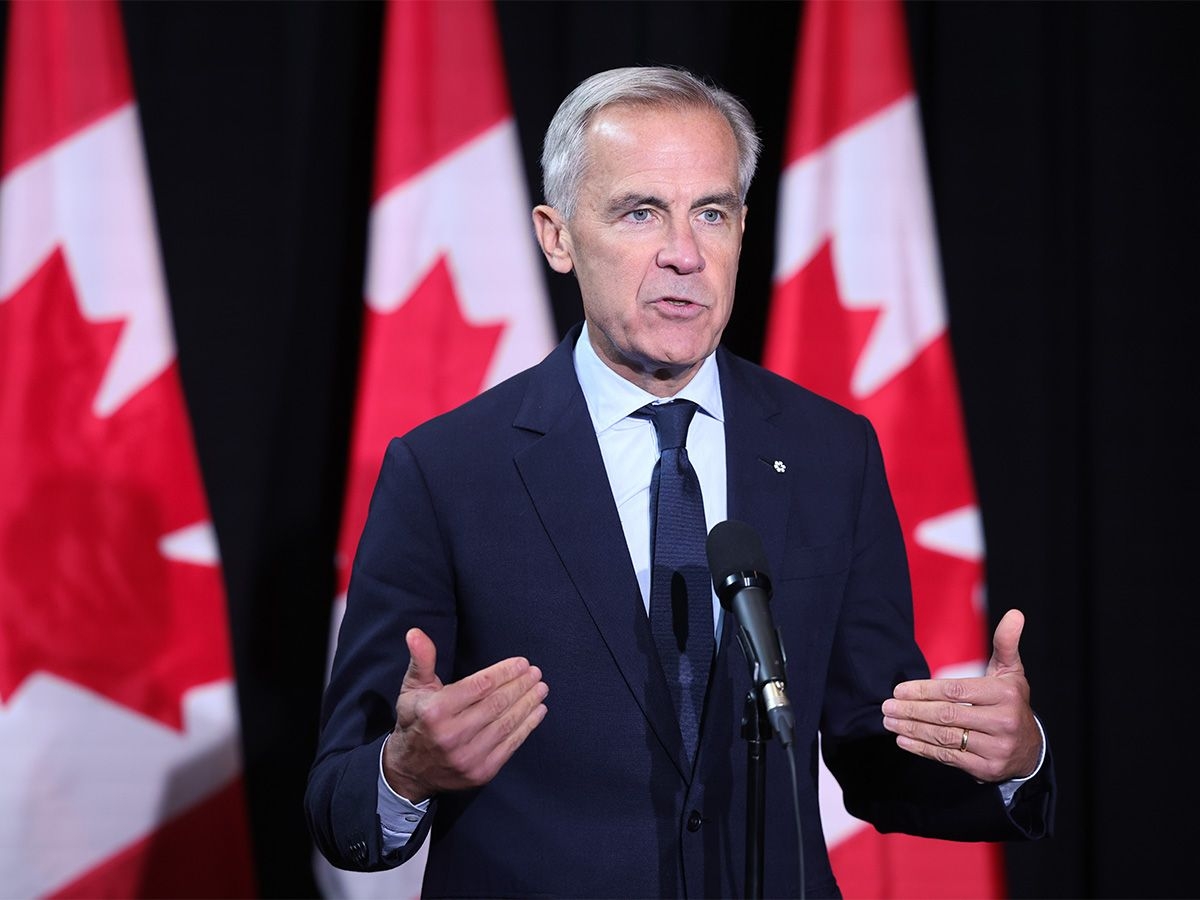
Prime Minister Mark Carney has already signalled Canada will not meet those targets because emissions have to increase in the short term to keep Canada energy independent and reduce its reliance on the U.S. economy.
However, Carney says the Liberals remain committed to achieving Trudeau’s target of net zero emissions by 2050, although he hasn’t explained how.
What the latest numbers confirm is how little understanding the Trudeau Liberals had of the realities of energy generation when they drafted Trudeau’s climate plan, which earmarked more than $200 billion of taxpayers’ money to the effort.
- EDITORIAL: Carney admits $200B climate plan a bust
- GOLDSTEIN: Canada’s targets for cutting greenhouse gases fit the definition of insanity
- EDITORIAL: Feds’ climate plan a $200-billion flop
For example, in 2021 then environment minister Jonathan Wilkinson, now Canada’s ambassador to the European Union, told the Globe and Mail that 2019 would be the last year of rising emissions and there would be steady decreases starting in 2020, because of the impact of the pandemic recession.
While emissions dropped from 748 million tonnes in 2019 to 681 million tonnes in 2020 according to official government data, they started rising again, to 691 million tonnes in 2021 and 696 million in 2022.
They then dropped to 687 million in 2023 and 685 million in 2024, before, according to the Canadian Climate Institute, rising back to 691 million tonnes last year.
RECOMMENDED VIDEO
The federal government releases its emissions data two years after the fact, meaning its 2025 numbers won’t come out until April while the Canadian Climate Institute released its estimates one year after the fact.
However, the Institute’s data mirrors the official federal data every year, suggesting its estimates for 2025 will be reflected in the government’s data due to be released in April.