
The Energy Department's statistics arm on Wednesday sharply raised its forecast for U.S. diesel prices next year as tight global supplies keep domestic inventories unusually low.
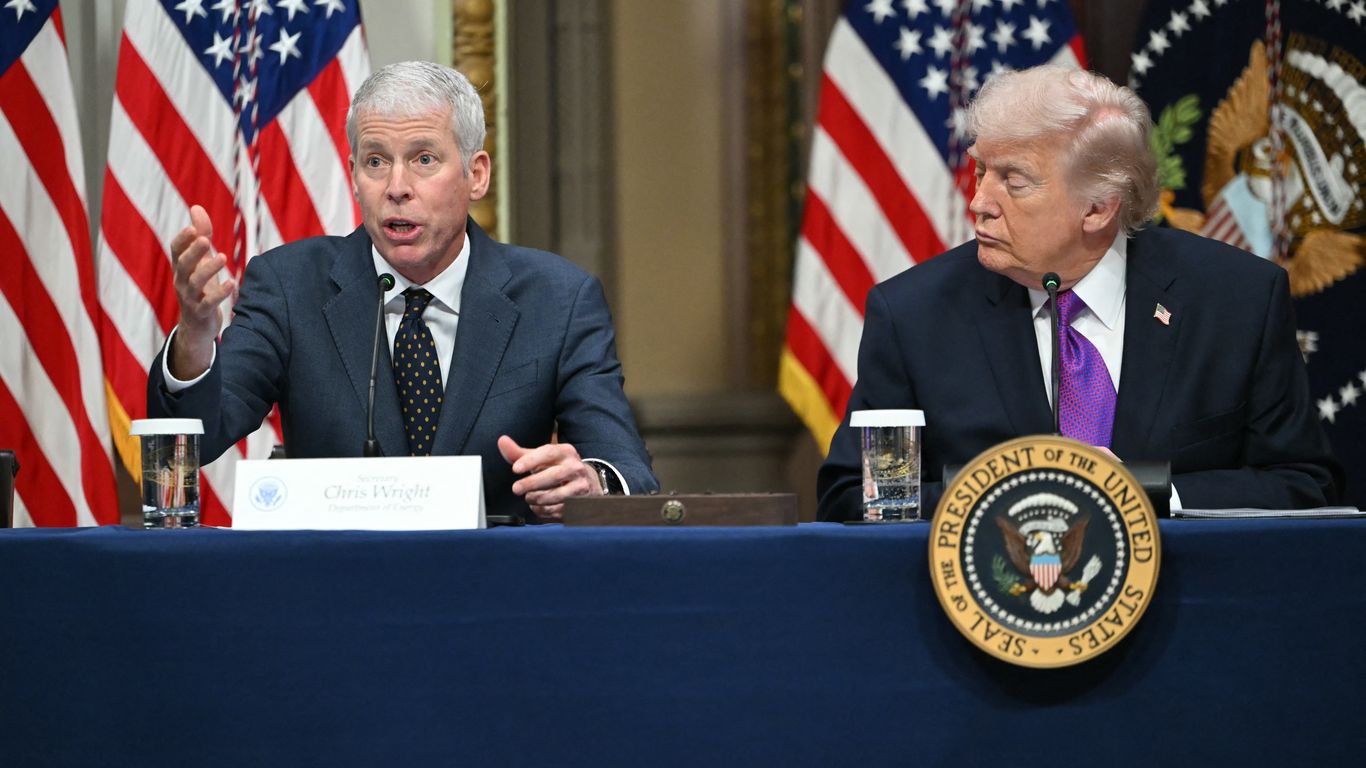
Why it matters: The outlook suggests Americans could face elevated fuel costs well into 2027, as President Trump acknowled Wednesday that oil prices may not fall until after November's midterm elections.
- U.S. diesel prices hit all-time highs this month, due to the Middle East conflict thwarting oil and petroleum product supplies, and Ukraine's drone campaign targeting Russian refineries.
Driving the news: The latest Energy Information Administration outlook expects retail diesel to average $4.40 a gallon in 2027, up 33 cents, or 8.2%, from its previous forecast of $4.07.
- The outlook says low U.S. distillate inventories are being driven by supply losses from the Middle East, Russia and China, alongside unusually high U.S. net exports.
- It expects the inventory problem to be particularly acute this fall and winter because refinery maintenance cuts production just as agricultural and winter demand rises.
- EIA also raised its 2026 forecast 22 cents to $5.07 a gallon.
Zoom in: "We forecast U.S. distillate fuel oil inventories will drop below 100 million barrels in September and will remain below the five-year (2021–2025) low through much of 2027," per the agency's statement.
- "Tightness in the global distillate market has raised domestic prices and incentivized U.S. exporters to increase distillate exports," it added.
- "We assume global production of distillate fuel will remain below last year's levels in the coming months, contributing to low U.S. diesel inventories and high diesel prices."
- Representatives for the Energy Department and EIA did not immediately respond to Axios' Wednesday afternoon request for comment.
The big picture: Trump said Wednesday that oil prices would start "tumbling downward" after the election, but added that relief could take "a little bit longer than the midterms."
- "I think for gasoline, we'll get them below $2 a gallon. But not until after the midterms," Trump said.
- The comments mark a shift from Trump's prediction earlier this week that oil prices would fall "precipitously" after the U.S. wins the Iran war and that the decline would happen "quickly."
Zoom out: Before the Iran war, EIA expected diesel to average $3.47 a gallon in 2027 — 93 cents less than its latest forecast.
Caveat: EIA updates the outlook monthly, and its forecasts are subject to frequent revision as market conditions and underlying assumptions change.
Flashback: Trump repeatedly pledged during the 2024 campaign to cut U.S. energy prices in half within 12 months of taking office.
- In March this year, Energy Secretary Chris Wright told CNN, "We have seen a dramatic decline in gasoline prices, in diesel prices."
The intrigue: EIA expects diesel crack spreads — a measure of refining margins based on the difference between crude oil and diesel prices — to fall steadily through mid-2027 even as its forecast for retail diesel prices next year has risen.
- That's based partly on an assumed return to normal tanker traffic through Hormuz in the near term, which would allow Saudi and Kuwaiti refineries to export more distillate.
- EIA expects improved crude availability to East Asian refiners to boost distillate production.
Yes, but: If Middle East flows remain constrained beyond the end of 2026, EIA says global distillate crack spreads would be higher than currently forecast.
- Russian refinery outages are expected to affect global markets through the first half of 2027.
What's next: The U.S. average retail diesel price could top $6 per gallon within the next week or so, GasBuddy's Patrick De Haan said Tuesday.
Go deeper: Iran war drives $100 billion in extra energy costs for U.S. consumers