
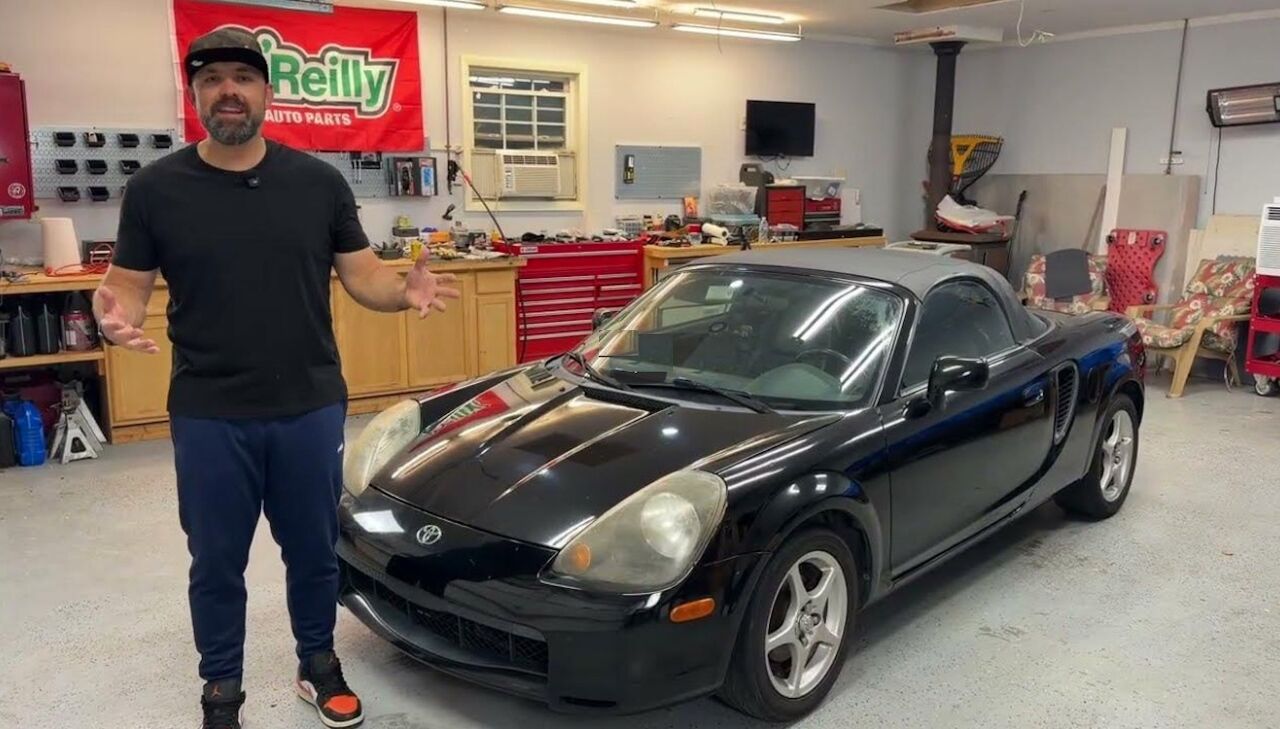
I just picked up a 2000 Toyota MR2 Spyder for a new project car and we're digging into all the details of what I need to fix on it as we start a new series.
TTAC Creator Bozidar “Bozi” Tatarević is a Bosnian-American racing mechanic, writer, and technical consultant born in Sarajevo in 1986. After immigrating to the U.S. in 1995, he learned English in elementary school and eventually turned his passion for cars — fostered by his father Slav — into a full-time career.
Laid off from a tech job in 2008, Bozi began wrenching professionally, eventually launching a shop and car export business with his family. His technical message board posts led to a writing career with outlets like TTAC, Motorsport.com, Road & Track and Racecar Engineering.
In 2018, he made his pro mechanic debut at Watkins Glen and now works as a tire carrier and mechanic for Vasser Sullivan Racing in IMSA, with 10 wins and a 2023 GTD Pro title. Bozi also consults via his agency Podium Prime, with clients ranging from race teams to media production companies.
The TTAC Creators Series tells stories and amplifies creators from all corners of the car world, including culture, dealerships, collections, modified builds and more.
Below is an AI-generated summary of the video transcript, which has been edited by a staffer.
[Images: YouTube thumbnail]
Become a TTAC insider. Get the latest news, features, TTAC takes, and everything else that gets to the truth about cars first by subscribing to our newsletter.
Summary
The video introduces a new project car: a 2000 Toyota MR2 Spyder purchased for $3,000 with approximately 100,000 miles. The lightweight, mid-engine, rear-wheel-drive roadster weighs around 2,200 pounds and is known for its balanced handling.
The low purchase price comes with some compromises. The car needs cosmetic repairs, suspension work, new tires and other maintenance. The owner plans to restore it gradually while upgrading selected components to improve its handling and overall performance.
1. Exterior Condition and Bodywork
The front end needs attention. The headlights have yellowed, the bumper has gaps, and one fender edge is damaged and showing rust. The owner suspects a previous impact may have bent or broken mounting brackets underneath.
Planned repairs include removing the front bumper, cleaning up the headlights and investigating the damaged bodywork. There are also scuffs around the front corners.
The passenger-side door is in particularly poor condition, with numerous dents and dings and a broken door handle. Because the damage is extensive, the owner is considering replacing the entire door if a reasonably priced replacement can be found.
The rear of the car appears to be in better condition overall, although it will still need attention to its tires, brakes and suspension.
2. Tires, Brakes and Suspension
The tires need replacement, and the brakes require inspection to determine what work is necessary.
The suspension is another major priority. The owner points out dried-out bushings, accumulated grease and dirt, and components that need refreshing. Depending on their condition, the plan may involve replacing individual bushings or entire suspension components.
The owner intends to determine which suspension package and handling modifications will best suit the car as the project progresses.
3. Engine and Mechanical Condition
The engine bay looks reasonably good, but the engine has some oil leaks and consumes oil. The owner considers these issues manageable for now and plans to address them later in the project.
Potential future engine work includes either installing a Toyota 2ZZ engine or replacing the existing 1ZZ engine with a fresh unit. No final decision has been made.
The immediate focus is on restoring the car's condition and making it safe and dependable before pursuing more substantial powertrain upgrades.
4. Interior and Convertible Top
The interior is in surprisingly good condition for a car purchased at this price. Most surfaces have no significant rips or tears, although the cabin needs cleaning and the interior door handle requires replacement.
The convertible top appears to have been replaced relatively recently, so it is not identified as a major concern.
One important mechanical issue is the parking brake. Its cables are damaged, leaving the system in need of repair. The owner intends to replace the cables early in the project so the parking brake functions properly and the car can be secured safely when parked.
5. Project Goals and Value
The owner believes the $3,000 purchase price represents a good deal despite the repairs required. The project will combine restoration with selective performance upgrades, with particular emphasis on the MR2 Spyder's handling potential.
The priorities are to address the immediate mechanical and cosmetic problems, refresh the suspension, and then decide how far to go with the engine and chassis modifications.
Bottom Line
The 2000 Toyota MR2 Spyder offers an inexpensive starting point for a lightweight sports-car project. Its mid-engine layout, low weight and balanced chassis make it an appealing candidate for a handling-focused build.
The main challenges are the damaged bodywork, worn suspension components, aging tires, brake-related maintenance, broken parking-brake cables and an engine that leaks and burns some oil.
At $3,000, the car appears to offer plenty of potential, provided the owner can keep repair costs under control. The series will follow the process of turning a neglected but promising roadster into a refreshed, better-handling sports car, with an engine upgrade remaining a possibility for the future.
I can also create an image showing the MR2 Spyder project’s restoration stages and planned upgrades.