
In June, a crowd packed into Italie Deux, a Paris shopping center owned by Ikea’s real estate arm, to watch adults hurl pillows at each other in a padded ring. The event marked the French debut of the Pillow Fight Championship, a U.S.-based combat sport league. Onlookers were invited to join in, with professional fighters offering free lessons to anyone willing to jump in.
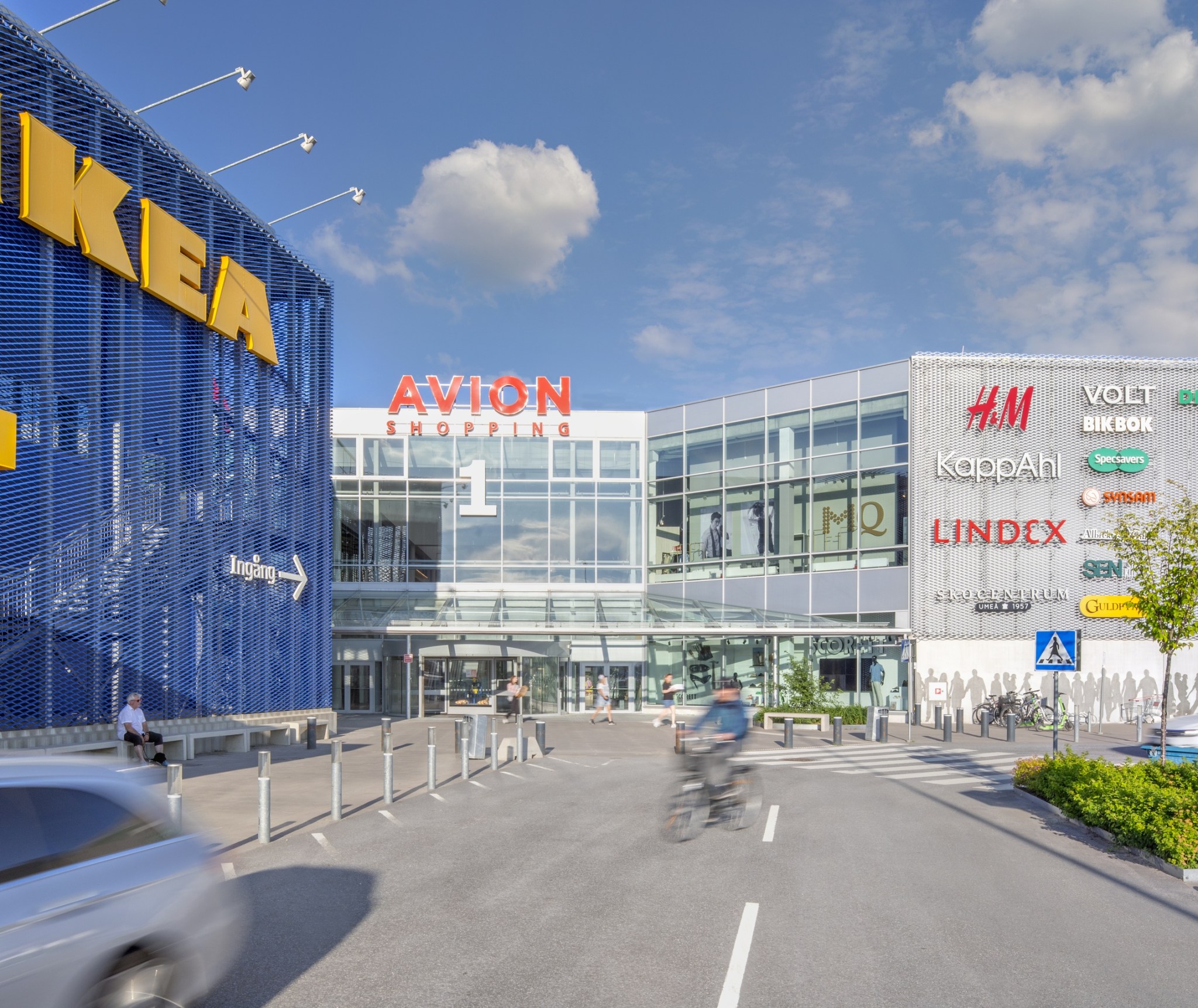
The event was sponsored by Ingka Centres, the real estate arm of the largest Ikea franchisee, Ingka Group. It’s an unusual investment for a real estate company. But it’s part of a deliberate strategy at Ingka Centres, part of Ingka Group, which is ranked No. 88 on Europe’s Fortune 500 list. The real estate group operates 38 properties, all of which include an Ikea store, across 15 markets in Europe, Asia, and the Americas. As physical retail competes with online shopping, and concerns grow over a broader loneliness epidemic, the company is betting that hosting community experiences can help its shopping centers thrive and grow.
“A shopping mall should be like an amusement park,” says Sebastian Hylving, chief executive at Ingka Centres. “If there’s no queue outside, you need to change what you’re offering.” A mall’s location is a relatively minor factor for people when determining whether to visit, he adds. “The rest comes down to what’s inside, and whether it’s worth returning to.”
In Sweden, the company has partnered with the Svenska E-sportförbundet to host e-sports events and tournaments. In 2025, it hosted a Pippi Longstocking–themed storytelling experience at its Livat shopping and community centers in China, which drew more than 24 million visitors. This year, Ingka is bringing the experience to the rest of its shopping international centers.
“Visitation is not something you can rely on anymore,” Hylving says. “It’s something you need to earn. You need to give people a reason to visit, to stay longer, and come back.”
Europe’s physical retail sector has weathered a turbulent stretch, including the shutdown of stores during the pandemic and the rise of online shopping. In the U.K., 13,500 retail stores closed in 2024, according to the Centre for Retail Research.
But the sector is showing signs of recovery: European cities saw a 39% year-on-year rise in store openings in 2025, according to the real estate firm JLL. CBRE’s 2026 European Real Estate Market Outlook predicts a rising trend among shopping centers of courting visitors with experiences, such as event spaces and in-store fitness classes, rather than relying on retail alone.
“We’re seeing a shift back to analog experiences,” Hylving says. Whether it’s cinemas, buying records, or people moving away from online dating and back towards in-person matchmaking events, he says, “we’re starting to remember how enjoyable it is to share experiences with others in real life.” The challenge, Hylving stresses, is whether a shopping complex can become a genuine fixture in people’s daily routines, rather than a one-off visit.
Eight in 10 adults believe everyone deserves time to play, according to a survey of 3,000 adults by Ingka Centres. Yet 30% cite reduced access to suitable spaces as a barrier. Nature zones, calm corners, and community hangouts topped the list of spaces people wanted.
In response, Ingka is weaving natural gathering spots into its properties. At one of its India locations, currently under construction, a garden is being designed for local visitors to eat and gather. “We want to build a network of playful spaces, a sort of living room for the community,” Hylving says. “If a place can become part of everyday life, visitation and growth will naturally follow.”
However, a lack of time, money, and social norms can prevent adults playing in public spaces. Three in four people surveyed listed at least one barrier to playing in shopping centers, and a third say they simply want to run their errand and leave.
Even so, there are signs Ingka’s approach is working. “We’re having a very good year,” Hylving says. “Visitation is above goal, and sales in our meeting places are above goal.” The company’s most recent figures show footfall across its portfolio reached 320 million in 2025, an 18% increase on the year before.
Special attention is given to architecture and design. “The more relaxed and happier you are, the looser the grip on your wallet,” Hylving says. “Our shopping centers are designed as a figure of eight loop, so visitors can see where to go next, with natural stops along the way to rest and refuel,” he says. Natural light and sightlines matter, too. The more you can see from any given point, Hylving explains, the more likely you are to keep walking.
That design philosophy has paid environmental dividends, too. Over the past decade, Ingka Centres has cut its operational climate footprint by 77%, a reduction Hylving attributes in part to prioritizing natural light over artificial lighting and sourcing local materials rather than shipping them in.
Ingka has proven it can turn European shoppers into a captive, playful audience, riding a broader recovery in physical retail. Whether the same formula holds in a market with an entirely different culture is the next test.
The company has named India one of its top three priority markets worldwide, with two mega-projects under construction near Delhi—in Gurugram and Noida— the latter is set to become Ingka’s first property to include a hotel. The developments are large even by Ingka’s own standards, Hyvling says, and early operational snags have already surfaced on-site. Feeding roughly 3,000 construction workers a hot meal daily has become logistically complicated amid gas shortages, he explains.
“We’re humble that stepping into India is very different,” he says. “You cannot apply all what we have learnt in other markets straight off. You need to adapt.”
Between the pressures of online competition and a broader economic squeeze, shopping centers cannot afford to stand still, says Hylving. “Every day is game day. You can’t rest on your laurels.”
This story was originally featured on Fortune.com