
See more Toronto Sun on Google — save as a Preferred Source
Mark Carney has bet that no deal is better than a bad deal – and Canada is about to find out whether that gamble pays off.
By walking away from negotiations with the Americans, Canada now faces 50% tariffs on a long list of goods.
By the sound of what was on offer, the proposed deal with the Americans isn’t one the Prime Minister could sign and sell to the Canadian public.
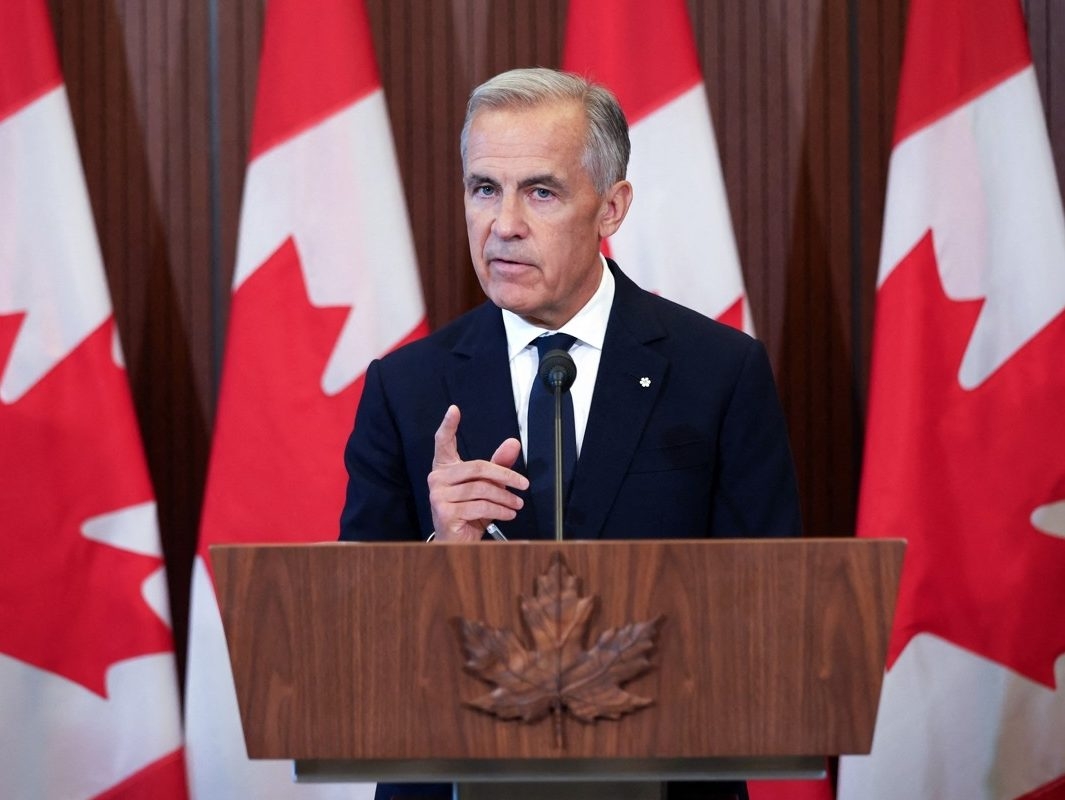
On Saturday morning in Ottawa, Carney delivered a speech and took questions from the media. He was surprisingly direct when asked what last-minute American demands led him to call off the talks.
“With respect to the auto industry, both in terms of the level of the tariffs, the treatment of Canadian content, so Canadian parts, Canadian steel, Canadian content in vehicles, the scope of the tariffs,” Carney said.
He said the Americans wanted to lower tariffs only from 25% to 15% on cars and light-duty trucks produced in Canada.
“And with respect to Ford’s new plan, for example, in Oakville, which is F350s, 450s, 550s, they would have been excluded. GM Silverado, same thing, would have been excluded from that. No rationale, just for exclusion,” he said.
We are masters in our own home. pic.twitter.com/5omHuIt0he
— Mark Carney (@MarkJCarney) August 22, 2026
A deal too far
The Americans claim it was the Canadian side that requested the last-minute change. It doesn’t matter who wanted it; no Canadian prime minister could accept such a term.
Ontario Premier Doug Ford was opposed to the deal from the start, but said in the last few days it only got worse.
“President Trump, he can’t be trusted. Simple as that. He changes the deal. He keeps moving the goalpost,” Ford said early Saturday afternoon.
Ford wasn’t the only premier Carney failed to bring onside before the talks collapsed. Quebec Premier Christine Fréchette was opposed to the changes to dairy quotas the Americans are demanding, while British Columbia Premier David Eby wanted more movement on softwood lumber tariffs that are already as high as 47%.
Those three premiers, all opposed to what Carney was negotiating, also lead the provinces that will feel the most pain from these new tariffs.
Writing at The Hub , economist Trevor Tombe estimates that as many as 90,000 jobs are on the line across the country, including 36,000 in Ontario, 18,000 in Quebec and 11,000 in British Columbia. The University of Calgary professor argues that while Canada’s economy may avoid significant damage, the human cost will be very real.
- KINSELLA: Mark Carney walks away from Donald Trump's extortion table
- WARMINGTON: Canada and U.S. plunged into full-on tariff war as trade talks collapse
The human cost
“The macroeconomic effects of this round may be fairly muted – I reckon a couple of tenths of a percentage point off of GDP growth. But the labour market effects are larger, and they reach well past the provinces the tariffs were aimed at,” Tombe wrote.
That’s the reality facing tens of thousands of workers, yet Ottawa’s answer risks making a bad situation worse.
Walking away may have been the right decision, but what comes next is where Carney risks making a mistake.
In response, Carney is doing the one thing he shouldn’t be doing: matching the American tariffs dollar for dollar.
We should be taking every possible step to make Canada an attractive place to invest, start and grow a business. The next federal budget should announce lower rates for personal and corporate income taxes. The Carney government should repeal the anti-development laws and regulations built up during the Trudeau years.
RECOMMENDED VIDEO
Time to think big
“We will need to think big and act bigger,” Carney said last year. “We will need to do things previously thought impossible at speeds we haven’t seen in generations.”
He hasn’t delivered on that promise yet, but it’s not too late to start.
Canada still has enormous untapped potential. We can thrive and prosper despite American tariffs.
The tariffs are beyond our control. Whether Canada remains a place worth investing in isn’t. We need to stop getting in our own way and start making the right moves.
blilley@postmedia.com