
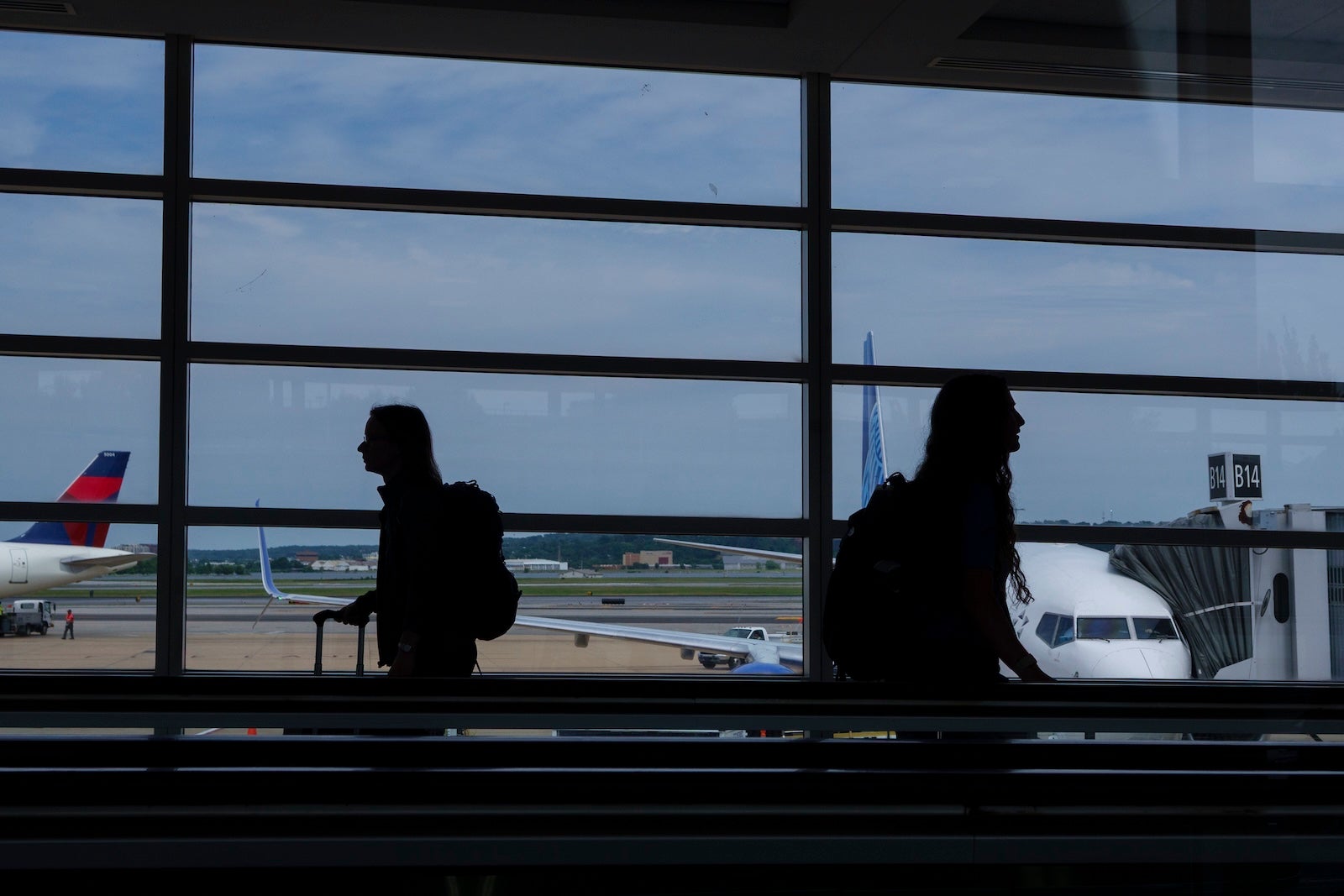
Flight delayed or canceled? For airline passengers, it's already an uphill battle to get any sort of compensation.
Soon, travelers may have even fewer protections.
The U.S. Department of Transportation just finalized a rule that could make it harder for flyers to get a free meal or a hotel voucher when their travel plans get upended by a dreaded maintenance issue.
The change, which alters how the government views maintenance delays, was ordered by a federal law passed in 2024. It's set to take effect in October.
Once it does, airlines could face less pressure to pay up when flights are delayed due to mechanical problems.
That means passengers could be on the hook to pay for whatever expenses pile up while they're stuck.
AL DRAGO/GETTY IMAGESLet's take a look at what's changing, why this is happening, and how you can protect your wallet when you fly in the future.
It's already a hurdle to get compensated for flight delaysAlready, passengers are often out of luck when flight delays and cancellations pop up.
Airlines typically don't pay for stranded flyers' expenses when bad weather or air traffic control problmes lead to flight woes. Those disruptions are typically considered outside the airline's control.
LUKE JOHNSON/BLOOMBERG/GETTY IMAGESMaintenance has historically been different.
Up until now, the DOT has generally counted those delays and cancellations as within the airline's control.
And when it's the airline's "fault," carriers will often pay for passengers' costs like meals, hotel accommodations and ground transportation.
But will airlines be as generous in the future? That's the big question.
Rule change in October
Next month, the DOT will change its approach to aircraft maintenance delays and cancellations.
Starting Oct. 19, unexpected maintenance that can't wait until after the flight will generally not count as "controllable."
That means airlines could be free to stop offering meals and hotel accommodations for some flight delays — even if the delay is due to maintenance.
In its final rule, the Trump administration was clear on what this shift will likely mean for passengers:
"The number of delays and cancellations for which air carriers provide amenities and compensation to consumers is expected to be reduced," the DOT said.
American Airlines Boeing 777-200ER. SEAN CUDAHY/THE POINTS GUYNot just maintenance
The changes don't only apply to maintenance-related disruptions, by the way.
Several other types of flight delays and cancellations will no longer count as something within the airline's "control."
Some examples include when a plane has to be cleaned because a passenger has died on board, when an unruly flyer has to be removed, and cyber attacks (as long as the airline has been up to date with all cybersecurity regulations).
Why is this happening?This new rule was actually mandated by the 2024 Federal Aviation Administration Reauthorization, which was passed by Congress and signed into law by former President Joe Biden.
Ironically, that bill was notable for strengthening some consumer protections, beefing up airline refund rules. Those policies will remain as-is.
Read more: Getting a refund for a canceled or delayed flight: What to know in 2026
MIKE KLINE/GETTY IMAGESBut passengers will likely be less enthusiastic about this latest shift, which could leave travelers with fewer options for reimbursement when they are stranded.
Not all maintenance delaysAirlines won't be off the hook for all maintenance disruptions.
These changes would only apply to unexpected mechanical problems that pop up outside carriers' scheduled maintenance programs. Essentially, we're talking about issues that must be fixed before departure, often for safety reasons.
Airlines would still be considered responsible for more routine maintenance disruptions, the DOT tells TPG. And when those snafus happen, carriers would still have to meet their customer service promises listed at FlightRights.gov.
Related: Trump administration weighs airfare rule changes: What it could mean for booking flights
A Frontier Airlines Airbus A320 at the carrier's hangar in Denver. SEAN CUDAHY/THE POINTS GUYWhat airlines are saying
We should also note: Airlines haven't technically said they will scale back on paying for hotels and meals. But it appears they'll have much more flexibility in deciding whether to compensate passengers.
Airline industry officials argue that carriers aggressively compete for customers, and continue to offer customer service policies that go beyond what the government requires.
Another point
Supporters also argue these changes will improve government data on flight disruptions. In the future, federal regulators — and consumers — will get a clearer picture of why flights are delayed or canceled.
What should travelers do?Going forward, the best way for passengers to protect themselves is likely to keep a travel insurance policy or use a credit card with built-in protections.
Certain cards, for instance, carry trip delay policies that can help flyers recoup unexpected costs when they run into flight woes.
Delta Air Lines regional jet at Austin Bergstrom International Airport (AUS). SEAN CUDAHY/THE POINTS GUYJust keep in mind that to make a successful claim, you typically have to book your whole trip with that card.
Oh, and of course, keep all your receipts.
Bottom lineThis is the latest blow to airline consumer protections.
Last year, the Trump administration scuttled a Biden-era proposal that would have required carriers to offer cash compensation to flyers when "controllable" flight issues occur.
Now, under this congressionally mandated change, passengers may find it harder to even get a free meal when they're delayed.
Related reading:
- Flight delayed or canceled? Here's what to do
- Getting a refund for your flight: What to know in 2026
- TPG's favorite credit cards with travel insurance
- EU261 compensation: What is it, and how does it work?
- Best Airlines Report: Tips for 2026 travel after cancellations hit 3-year high
- Why it's so important to make sure your boarding pass says 'TSA PreCheck'
Editorial disclaimer: Opinions expressed here are the author’s alone, not those of any bank, credit card issuer, airline or hotel chain, and have not been reviewed, approved or otherwise endorsed by any of these entities.