
- In today’s CEO Daily: Meta settles its child-safety case—and tries to rewrite the narrative on its design choices
- The big leadership story: Nvidia forecasts 70% revenue growth for its next fiscal year
- The markets: A mixed bag across global markets—but Nvidia shares shoot up 7%
- Plus: All the news and watercooler chat from Fortune.
Good morning. Meta just settled a landmark child-safety case with a fine of up to $18 billion paid over the next decade, with annual payments equal to less than 1% of its 2025 revenue. Financially, that’s a victory for the parent of Facebook and Instagram, which said the 29-state lawsuit could have wiped out its entire market cap with penalties of up to $1.4 trillion. Meta doesn’t have to admit guilt and almost a third of the fine is contingent on competitors adopting similar measures.
On the one hand, that takes Meta off the hook. Not only did it decline to take responsibility for the addictive design and allegedly devastating consequences for some users, it framed this legal settlement as an agreement “building on our longstanding efforts to empower parents and support teens.” And it issued an “open letter” for “our peers—TikTok and YouTube—to put the same measures in place.” The defendant has cast itself as the hero in this drama.
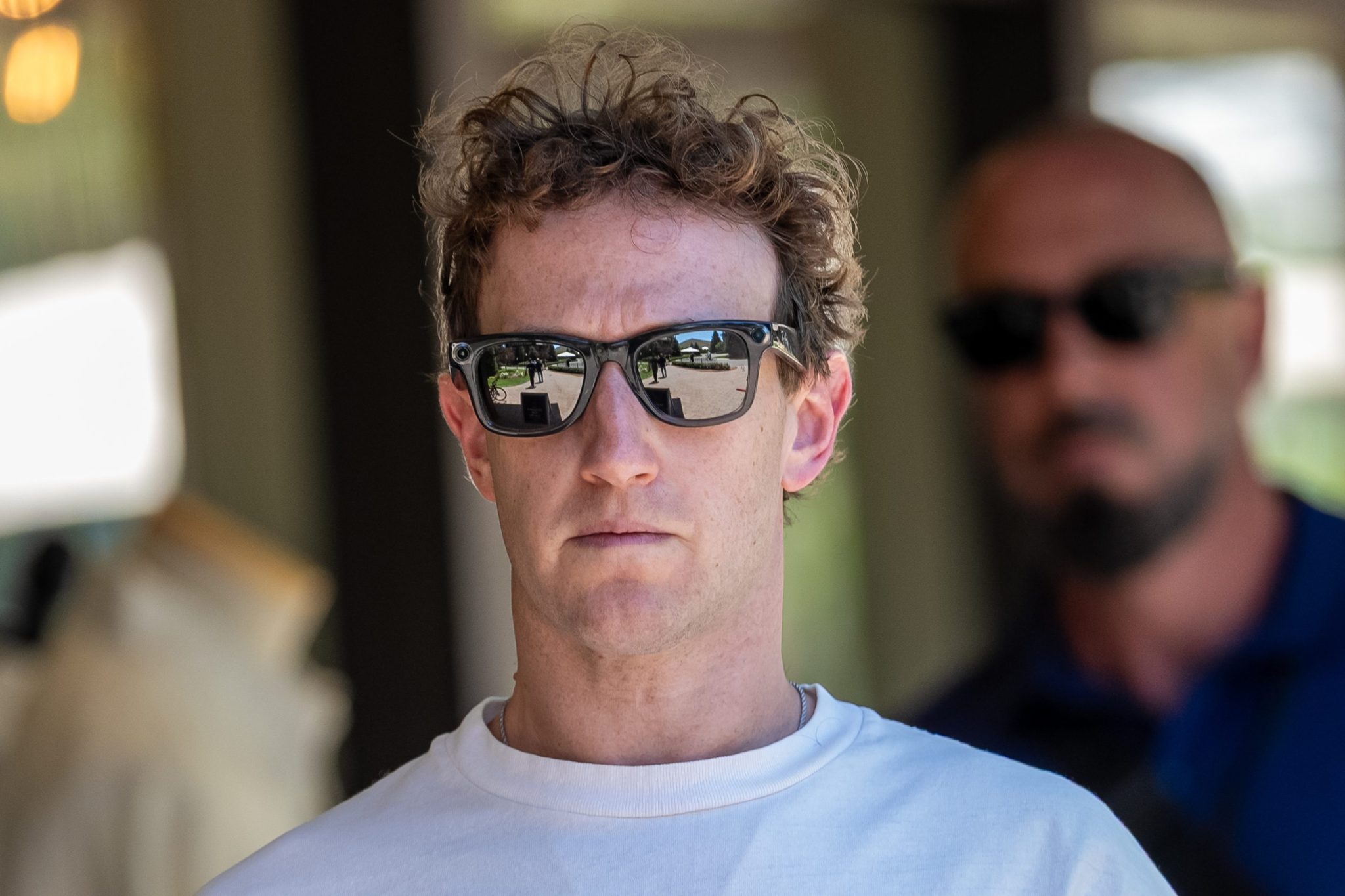
Denial of responsibility is not a license to rewrite the narrative. Almost every state had sued the company because there was ample and growing evidence that it was failing to protect young customers. Internal documents show Meta officials knew that Instagram harmed teen girls and chose not to disclose it. Despite that, Meta axed the team responsible for investigating the downside of its products. A full jury trial in Oakland would have meant deeper dives into corporate practices and put CEO Mark Zuckerberg on the stand to defend them against whistleblowers, grieving parents and academic experts.
On the other hand, Meta must make design and policy changes that have been hailed as a public health victory and could raise the bar for how other companies operate. There’s a tacit admission that infinite scroll, autoplay, filters, likes and other engagement features are dangerous to children—and must be limited. Automatic restrictions make it easier to reduce harm, if they can be enforced. That now puts the onus on Meta to authenticate the age of its users and protect its customers.
More important, perhaps, this confirms what many increasingly know to be true: social media can be bad for you. Gen Z already understands the downside of social media in ways that Millennials did not. They crave analog experiences and see AI as more of a threat than an opportunity.
Much like Big Tobacco was forced to admit that cigarettes can cause cancer or Purdue Pharma was forced to stop downplaying the risks of OxyContin, this agreement now puts Meta’s core products in a negative light. That could give consumers and advertisers pause when engaging with its platforms. New restrictions could also impact future growth. The settlement removes a risk that could have toppled the business. Zuckerberg has to prove he can reduce harm to rebuild trust and reduce the risk that other lawsuits might prove more punishing.
Contact CEO Daily via Diane Brady at diane.brady@fortune.com
This story was originally featured on Fortune.com