
See more Toronto Sun on Google — save as a Preferred Source
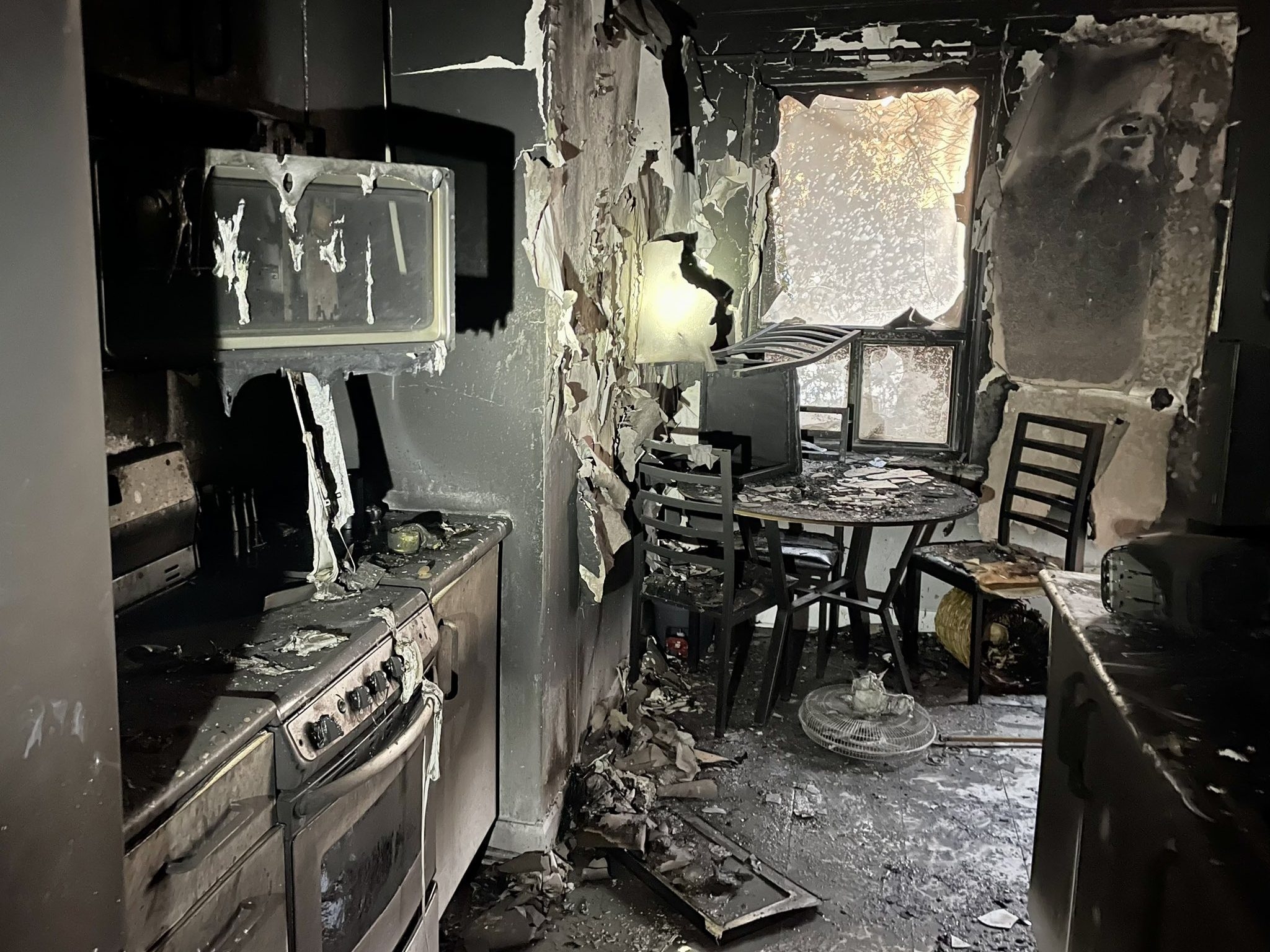
Recent well-publicized fires in Toronto have been caused by damaged or overcharged batteries in devices like e-bikes and e-scooters.
“The fundamental problem is that these devices are being used in ways they were never designed for,” Randy Narine, president of the lithium-ion battery testing company Clean Core Research, told the Toronto Sun. “These things don’t blow up like people think they do. There is something that happens that will cause (the battery) to blow up.”
Clean Core Research is a Canadian not-for-profit corporation. Their work focuses on the risks associated with lithium-ion batteries, hydrogen systems, energy storage, electric transportation, and other clean energy technologies.
For example, an Aug. 12 fire on George St. near Dundas St. E, firefighters found up to six e-devices in the unit. In total, there were four battery-related fires on Aug 12.
In recent weeks, the Toronto Fire Service has blitzed social media with grisly photos, the result of lithium-ion fires.
The leading source
“Fire investigation data indicates that e-bikes and micromobility devices are now the leading source of lithium-ion battery fire incidents in Toronto,” Steven D. Wilson, division chief community risk reduction Toronto Fire Services, said in a written statement to the Toronto Sun.
“Since 2021, Toronto Fire Services has responded to 151 incidents which have involved e-bikes and micromobility devices,” he said. “These incidents account for approximately 46% of all classified lithium-ion battery fires.”
The Toronto service has posted pictures on Instagram depicting the nasty aftermath from lithium-ion battery caused fires, but the root cause is largely unknown.
- Toronto Fire issues urgent warning after 3 lithium-ion battery fires in less than 24 hours
- Lithium-ion battery blazes on rise in city: Toronto Fire chief
- E-bike battery fire draws another warning from Toronto Fire Chief
Narine said, “The education out there is not hitting (the public) and explained the way (it) needs to be explained.”
“Let’s take a regular scooter with a battery,” Narine continued. “The battery is located, at the very bottom of the e-scooter and the kids are throwing them and kicking them and sometimes they are charging them with the wrong cable. Or sometimes, it is just a knock-off device that has gotten too much abuse and it is ready to go off.”
Narine called those actions mechanical and physical abuse. He also said putting an e-vehicle near a radiant heat source can cause an explosion. The batteries can also be modified to increase voltage or capacity or bypass factory limits.
“A battery will start failing because you are causing the innards of that battery to be moved around and by shifting the innards of the battery you are allowing two chemicals that are in the battery, that should never touch, to touch,” Narine said.
When graphite and lithium cobalt oxide interact, they short circuit, creating an uncontrolled surge of electrical current. The discharge generates intense heat, which can break down the internal components and trigger a chain reaction known as thermal runaway.
Walking Pneumonia
Thermal runaway is a chain reaction where an increase in temperature changes the internal chemistry, generating more heat. This cycle causes temperatures to spike, resulting in intense fires, explosions, and toxic gas release.
“Once they touch, it is going to heat up the inside to 300-400 Celsius, over pressurize and that is when you have the gases shooting out, gasses like hydrogen fluoride, hydrogen cyanide and some really bad things,” Narine said.
The ex-professional firefighter from the Greater Toronto Area said a particularly nasty gas known as hydrogen fluoride will “literally burn your lungs. People who experience (exposure), their skin, their eyes, their ears, everything is just burning. It is going to present itself as walking pneumonia.”
Other gases released include phosphoryl fluoride, hydrogen chloride, hydrogen cyanide and carbon monoxide.
“Hydrogen fluoride is the most dangerous thing to us, as humans, and there is a significant amount of it put out,” Narine said.
Given enough time and abuse, all batteries will explode, regardless of the quality.
“If you puncture a battery, all batteries are going to blow up the same way, regardless of how well it is made,” he said. “A properly certified battery has a much higher likelihood of withstanding those things where a cheaper one does not.”
ganderson@postmedia.com