
See more Toronto Sun on Google — save as a Preferred Source
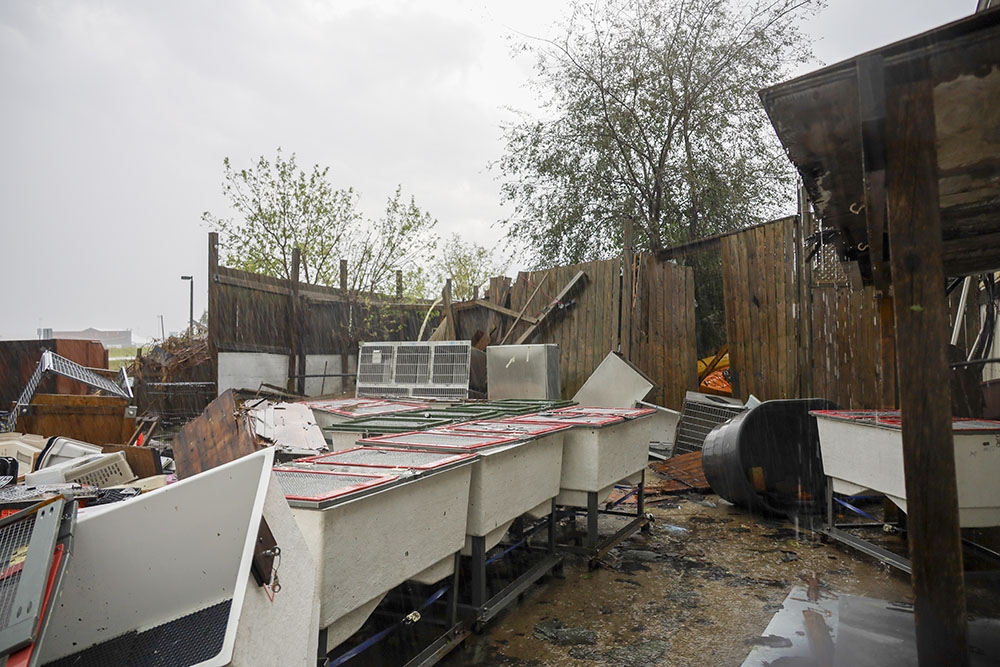
With the roof damaged, shattered windows, and downed fences, the devastation from the Sept. 2 storm could have rendered the Toronto Wildlife Centre inoperable.
Thanks to staff, volunteers, and members of the community, however, the North York-based centre, which provides vital services for the city’s wildlife, was able to weather the storm.
Executive Director Nathalie Karvonen detailed a scary afternoon, including 12 windows being blown out, flooding, and extensive damage to outdoor enclosures.
“Our team is always great at pulling together,” she said, despite the centre losing a large core of its staff last week.
“September is also one of the busiest times of the year for us,” she explained. “We have so many animals coming in September, and all of our summer students have gone back to school.”
It was all hands on deck as the staff and volunteers continued to identify things that were damaged for days after the storm.
“A quarter of our fencing came down out back – we have wooden fencing around our outdoor enclosures,“ Karvonen said. “One of the outdoor enclosures was smashed. And then two or three other ones that were damaged. Our steel dumpster flipped on its side, which is some indication of how strong the winds were. Part of the fence that came down came down onto two of our staff’s cars.”
The windows shattered while staff were inside the space.
“Our hotline team was working away, taking emergency calls, and two of the 12 (windows) blew in in the hotline office and shattered glass all over the counters,” Karvonen explained.
Extensive damage to facility
While the damage to the facility is certainly extensive, Karvonen noted, “Fortunately, no people or animals were injured.”
Animals housed in damaged areas were relocated to another space.
“We do have another site where we have outdoor enclosures and fortunately, some of the enclosures at Downsview Park were empty because of the concerts going on at the Rogers Stadium,” she said.
Out of the 300 species the centre works with, Karvonen noted, “The vast majority of them don’t like rock concerts.”
While no animals were injured in the storm, a few pigeons – near ready for release – escaped from a damaged enclosure.
“We wouldn’t have chosen to release them in those kinds of wind conditions, but at least they were far along in the rehabilitation process,” Karvonen said.
Speaking of birds, the centre is still taking in injured birds – often victims of window strikes during their fall migration. With the GTA located along an ancient migration route for many species of birds, the city’s glass towers pose a threat to these animals as they pass through.
Baby squirrels orphaned by storm
Another frequent flyer visiting the centre in September doesn’t have wings, but they do live high off the ground. Squirrels, which have two litters per summer, live in large nests made from leaves high in the trees. With the wind clocked at speeds of 85 km/h by Environment Canada, these ferocious gusts knocked down many nests, leaving orphaned babies on the ground.
Karvonen said the centre is still open for business and anyone finding an injured animal should contact TWC.
“They can either call us or on our website there’s a web form that you can submit if you find an animal that needs help. The nice thing about that, for us, is that there’s also the opportunity of uploading a photo or some video,” she explained.
Animal lovers across the city and beyond have rallied together to help TWC replace some of the items insurance can’t cover, Karvonen said. And while they are collecting financial donations in the short term, the centre will be updating their donation item wishlist in the coming days.
The community’s support has been touching for the staff, Karvonen said.
“We’ve had so many people either make a donation or offer help in another way. There’s even really sweet donations, like one person from the United States said, ‘This is all I can afford,’ and donated $7. It was just so nice.”
The centre runs entirely on donations to care for the animals. Donations can be made at www.torontowildlifecentre.com/donate/
Tips on how to help migratory birds:
Turn off the lights in tall buildings – “For night-time migrants, it’s very important because they can be drawn right into those lights and that can be incredibly dangerous for them.”
For daytime migrants, breaking up the reflection on exterior glass: “There are products you can get to apply to the outside. They can break up the reflectivity of the glass. But it does have to break up quite a bit of it though, like as much as 80% of it.” A simple way to do this at home? “Take a bar of soap and just wipe it over the outside of the window. Smear it over the outside of the window during migration season. And then when migration season’s done, just get some warm water, wash all off, and you have a clean window.
lnelles@postmedia.com