
See more Toronto Sun on Google — save as a Preferred Source
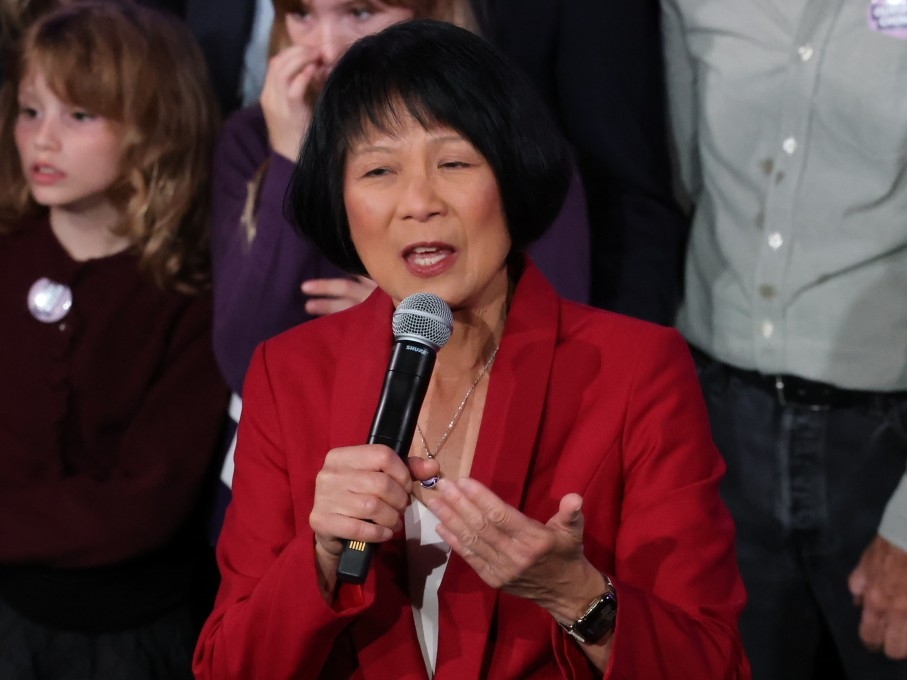
Olivia Chow and Steven Del Duca flexed their municipal muscles this week by shaking up top bureaucratic roles.
On Monday, the mayor of Toronto replaced the city manager and two deputy city managers , saying services will be streamlined and collaboration can be improved in the public service. The decision came after Chow pledged during the municipal election campaign to not use her powers.
Also, York Region Chair Del Duca – who is also Vaughan’s mayor – appointed a new chief administrative officer less than two weeks after he was appointed to the role by Doug Ford’s government.
This is not the first time municipal leaders have invoked strong mayor or regional chair powers in the GTA since the law was passed at Queen’s Park four years ago.
Past instances include former Toronto mayor John Tory using it to appoint Paul Johnson as the new city manager in December 2022 and former Mississauga mayor Bonnie Crombie instituting the building of fourplexes in the city in October 2023 by overriding council’s decision.
What powers are granted by legislation?
In September 2022, the Ford government passed the Strong Mayors, Building Homes Act and the legislation came into force two months later.
The law, which only applies to designated municipalities, allows the heads of councils to have additional powers relating to priorities the Ontario government has identified, including building 1.5 million new homes by Dec. 31, 2031, and constructing and maintaining infrastructure to support housing, which includes transit, roads, utilities and services.
Mayors and chairpersons can also use the power to appoint their municipality’s chief administrative officer and hire other lower-level civil servants.
The heads of council can also choose to create and reorganize the structure of the municipality.
If a matter is in the interest of a provincial priority, municipal leaders can bring it forward to council for deliberation.
RECOMMENDED VIDEO
Are there limits?
Municipal leaders cannot appoint individuals to certain statutory positions, such as clerk or deputy clerk, treasurer or deputy treasurer, integrity commissioner, ombudsman, auditor general, chief of police, fire chief, medical officer of health or other senior officials.
Also, councils can override a strong mayor or regional chair veto or amend a proposed budget decision with a two-thirds vote.
In addition, mayors and chairs are restricted from invoking their powers during an election period to avoid a scenario, for instance, that could see a post-election budget proposed before the incoming council takes office.
If a mayor or regional chair seat opens up after March 31 in the year of a regular municipal election, the municipality is mandated to appoint a new leader. However, the appointed person would not have strong mayor or chairperson powers and duties.
- AGAR: Politicians like Chow, Carney say one thing, do another
- Year of bizarre spending preceded Toronto Mayor Olivia Chow’s alleged budget ‘fiasco’